Government Shutdown Averted as Funding Runs to December 11
The federal government remains open under a stopgap funding law through December 11, 2026. Here is what Congress passed and what happens next.
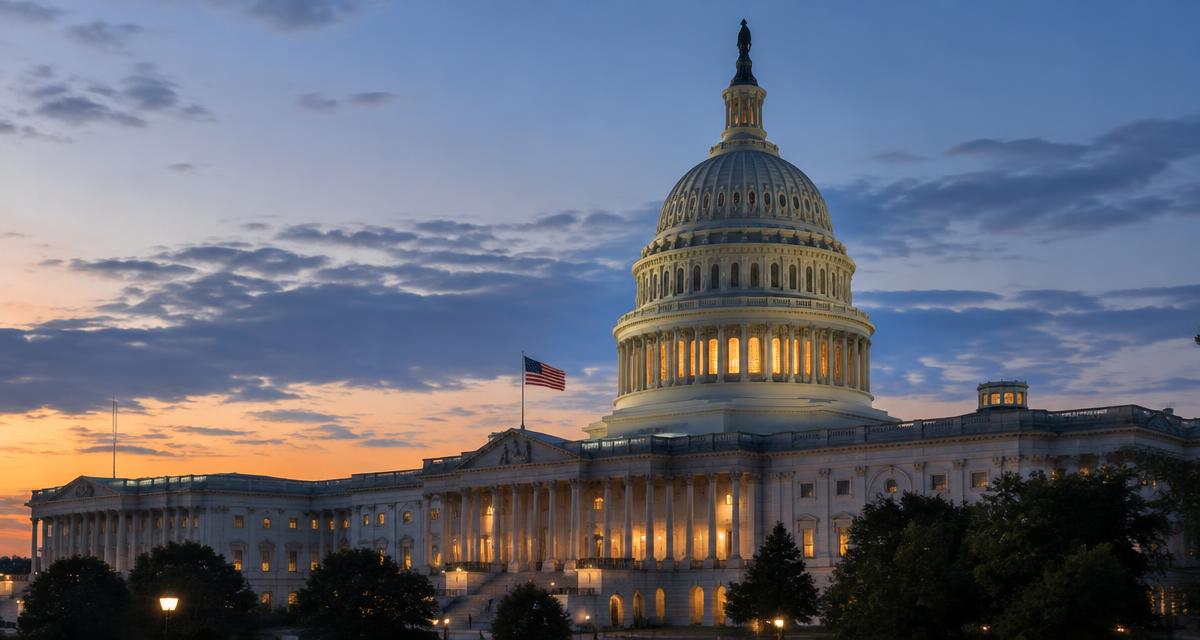
The federal government remained open at the start of the new fiscal year because President Donald Trump signed a temporary spending measure earlier in September. Reuters reported that the continuing resolution funds federal operations through December 11, 2026, removing the immediate October 1 shutdown deadline but leaving Congress with unfinished work later in the year.
The House approved the measure 370-48 after the Senate passed it in August. Senate Appropriations Committee leaders Susan Collins and Patty Murray negotiated the agreement, according to congressional coverage. The large bipartisan vote did not settle full-year spending priorities. At the time of passage, Congress had not completed any of the 12 regular appropriations bills for fiscal 2027.
A continuing resolution generally keeps agencies operating at existing funding levels for a limited period. It gives lawmakers more time, but agencies may delay new programs or contracts when their annual budgets remain uncertain. Federal employees and people who depend on government services do not face an immediate shutdown under the current law. The Office of Personnel Management listed federal offices in the Washington area as open on September 30.
Confusion can spread because old shutdown explainers and speculative articles remain online around every fiscal deadline. Readers should check the publication date and whether the report cites an enacted law. A prediction that offices will close is not equal to an official status notice. Agency websites, Congress.gov and OPM are stronger sources for operational information than a viral screenshot.
The next major deadline is December 11. Before then, lawmakers can pass individual spending bills, approve a broader package, enact another temporary extension or allow funding to lapse. Negotiations may intensify after the midterm elections. The current fact is straightforward: no federal shutdown began on October 1, but the budget dispute has been postponed rather than fully resolved.
For households and businesses, the temporary law means routine federal operations can continue for now, but another deadline can renew uncertainty. Contractors and agencies may plan cautiously when funding beyond December is unclear. Travelers, benefit recipients and federal workers should follow the agency responsible for their service rather than assume every program would be affected in the same way. If negotiations stall later, official contingency plans will explain which functions continue and which may pause.
Markets and federal managers will watch negotiations for signs of another extension. A December agreement could resolve the year or create a new short deadline, depending on what lawmakers can pass.
Sources and further reading
This explainer was independently written from the linked reporting. Details may develop after publication.