Hegseth Plans 20% Cut to General and Admiral Positions
Pete Hegseth announced a plan to reduce U.S. general and admiral positions by 20%. Here is the timeline, scale, and what remains undecided.
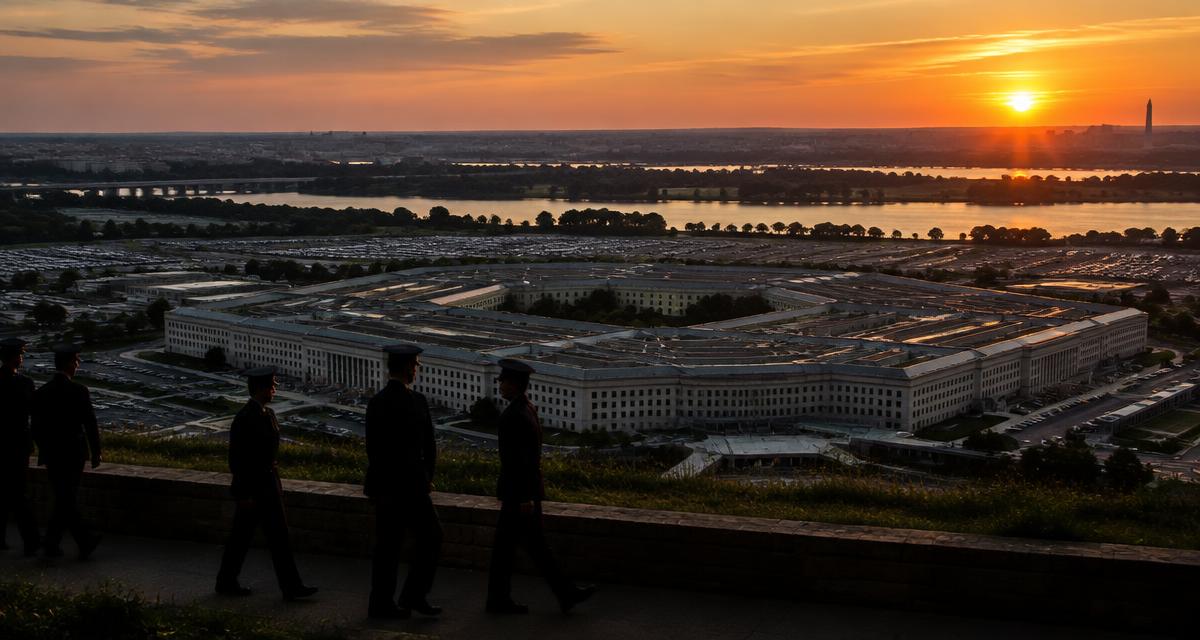
Defense Secretary Pete Hegseth announced a plan to reduce the number of U.S. general and admiral positions by 20%, according to CBS News, Al Jazeera and Federal News Network. The announcement came during a “State of the Force” address at Marine Corps Base Quantico in Virginia and expands a smaller reduction ordered in 2025.
CBS reported that the military had 851 active-duty generals and admirals as of July 2026, close to the legal cap of 857. A 20% reduction would therefore represent a substantial change in senior leadership positions, although the final number depends on how the Pentagon defines the positions covered and implements the directive. The services have been told to carry out the cuts by January 1, 2027.
Supporters of the plan are likely to frame it as a way to simplify command structures, reduce bureaucracy and push authority closer to operational units. Critics may question whether removing senior posts can create gaps in oversight, planning or coordination across complex missions. Both arguments depend on which positions disappear. Eliminating a vacant administrative billet is different from removing a command responsible for active operations.
The Army, Navy, Air Force, Marine Corps and other components will need to identify affected roles. At the time of initial reporting, a complete position-by-position list was not public. That means claims naming particular officers or commands should be treated cautiously unless confirmed by the Defense Department or the relevant service. Personnel changes may also occur through retirements, reassignment or leaving posts unfilled.
Congress is likely to examine the plan because federal law sets limits on senior officers and lawmakers oversee defense organization and funding. The practical impact will become clearer in implementation documents, nomination hearings and service announcements. For now, the confirmed policy is a 20% target with a January deadline; the exact leadership map that will result is still being developed.
Senior-officer reductions can also influence promotion pathways below the top ranks. When commands merge or positions disappear, responsibilities may move to lower-ranking officers or civilian leaders. The Pentagon will need to show how it preserves accountability and civilian control while changing the structure. Cost savings are another question: eliminating posts may reduce some personnel expenses, but reorganization can create transition costs. Future budget documents and congressional testimony should make it easier to evaluate whether the plan delivers the efficiency its supporters expect.
Any later estimate of savings should identify whether it counts salaries alone or also staff, facilities and support costs. Without that detail, headline totals may overstate what the restructuring actually saves.
Sources and further reading
This explainer was independently written from the linked reporting. Details may develop after publication.