Shubman Gill Double Century Powers India’s Record Chase
Shubman Gill scored his second ODI double century as India chased a record target against West Indies. Read the confirmed milestones and context.
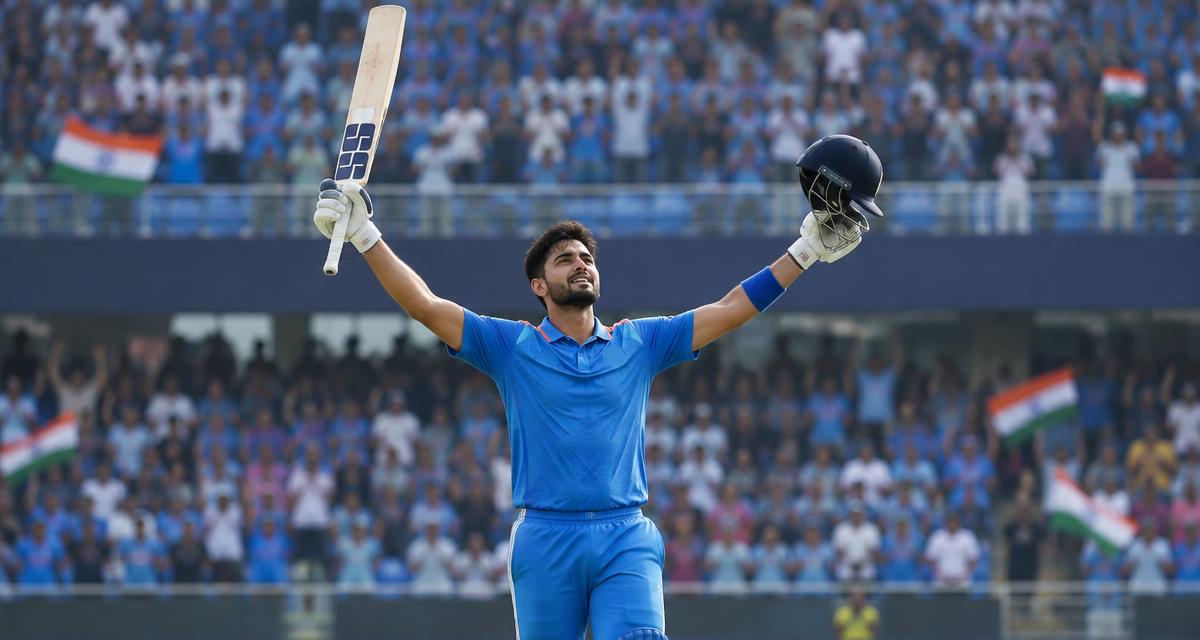
India captain Shubman Gill produced a second one-day international double century in the second ODI against West Indies, driving India through a record chase and creating one of the day’s largest global search spikes. The Board of Control for Cricket in India published match video, while Cricbuzz and The Times of India reported the milestone and its place in ODI history.
A double century in a 50-over match demands more than a fast start. The batter must manage changing bowlers, field settings, fatigue and the rising required rate while preserving enough control to remain at the crease. Gill’s innings combined accumulation with boundary hitting, allowing India to stay connected to a target that might otherwise have forced risk too early.
Reports noted that Gill became only the second batter after Rohit Sharma to register multiple ODI double hundreds. That comparison places the innings in a select statistical group, but it does not make the two performances identical. Match conditions, opposition, target and scoring pace differ. The official scorecard remains the best source for balls faced, partnerships and the precise sequence of milestones.
The innings also matters because it came during a chase. Setting a large total lets a batter control tempo without a fixed final number; chasing requires constant calculation against the target. Partnerships are essential, since one player cannot face every delivery. Support at the other end allows the main scorer to choose moments to attack rather than treating each over as an emergency.
For India, the result adds momentum to the series and reinforces Gill’s role as captain and top-order anchor. For West Indies, the review will focus on missed chances, bowling plans and whether the total offered enough protection on the surface. Fans should look to the BCCI or official match scorecard for final figures rather than social graphics, which sometimes circulate before corrections are made.
The performance will also feed discussion about Gill’s place among leading ODI batters, but one historic innings should be assessed alongside consistency across venues and opponents. Captaincy adds another layer because tactical decisions and personal form are judged together. India’s selectors will note how the top order handled pressure, while West Indies can use the match to refine plans for the remaining games. Series schedules can change quickly, so supporters should confirm the next fixture through the boards’ official channels.
Highlights can capture the boundaries but not every period of restraint that made the innings possible. The complete scorecard and ball-by-ball record give a fuller picture of how the chase developed.
Sources and further reading
This explainer was independently written from the linked reporting. Details may develop after publication.