Southwest Flooding Risk Rises as Polo’s Remnants Bring Rain
Heavy rain linked to Hurricane Polo’s remnants is raising flood concerns across the U.S. Southwest. See the affected areas and safety guidance.
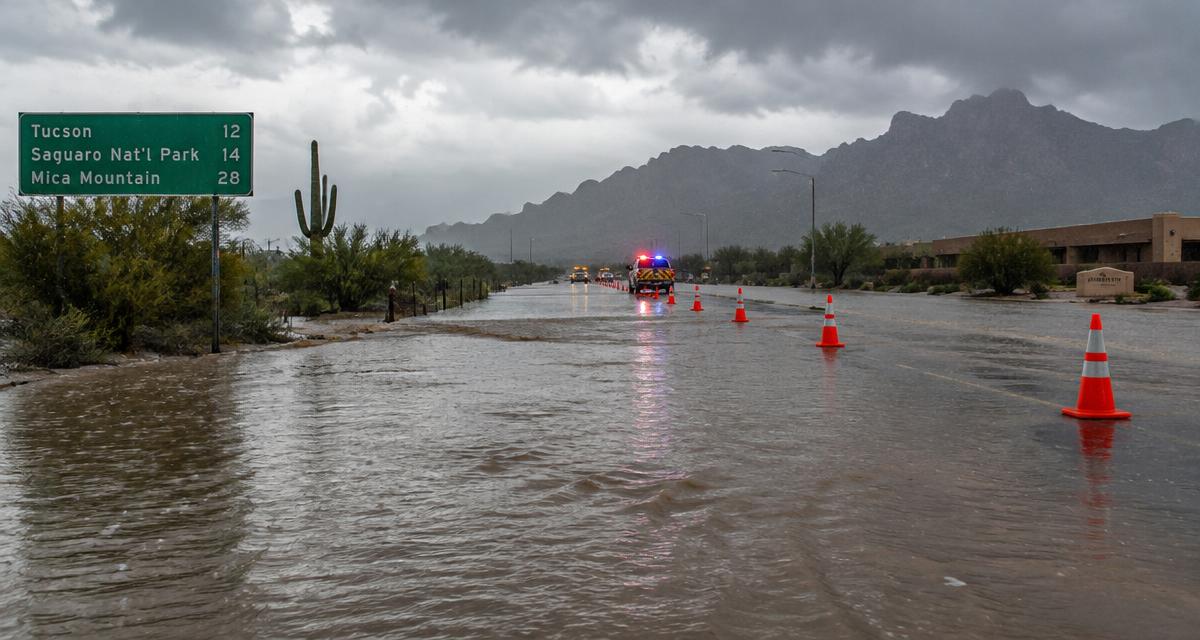
Heavy rain and flooding concerns spread across parts of the U.S. Southwest on Wednesday as moisture associated with the remnants of Hurricane Polo moved inland. NPR reported additional rain over areas already affected by flooding, while The New York Times focused on renewed danger in Texas. Fox Weather described a much broader corridor of flood risk across several states.
Search interest included “California flooding,” but the weather system was not limited to one state. Tropical moisture can travel far from the storm’s original center and combine with other weather patterns. That can produce intense rainfall in places that are normally dry, where hard ground, steep terrain and limited drainage increase the chance of rapid runoff.
A flash flood can develop even when rain is not falling directly overhead. Water may arrive from higher terrain or an upstream storm. Drivers should never enter a flooded road when the depth is unknown; moving water can hide damaged pavement and carry a vehicle away. People near washes, low crossings or recently burned slopes should monitor local alerts and be ready to move to higher ground.
Forecast maps show risk, not a guarantee that every location inside a shaded area will flood. Conditions also change as new observations arrive. The National Weather Service issues watches when flooding is possible and warnings when it is occurring or expected soon. County emergency offices and local broadcasters can provide road closures, shelter information and evacuation instructions specific to a community.
The storm’s final impact will depend on where the heaviest rain bands persist and how quickly rivers and drainage systems respond. Claims about rainfall totals or damage should be checked against local authorities after the event, not taken from unverified social videos. The practical message is immediate: keep weather alerts enabled, avoid low-water crossings and follow official instructions if a warning is issued.
Homeowners in a risk area can take simple precautions before conditions worsen: move valuables above floor level, charge phones, avoid parking in drainage channels and know more than one route to higher ground. Floodwater may contain debris, chemicals or sewage, so people should avoid walking through it as well as driving. After the rain, local officials may keep roads closed while bridges and pavement are inspected. A clear sky does not automatically mean a flooded crossing is safe.
People outside the heaviest-rain zone should still watch downstream conditions. Rivers and washes can remain elevated after rainfall ends, and additional runoff may arrive hours later from another county.
Sources and further reading
This explainer was independently written from the linked reporting. Details may develop after publication.