Trump ACA Refund Checks: Who Gets $500 and When
Trump ACA refund checks are being mailed to qualifying HealthCare.gov customers. Learn who qualifies, how payments arrive, and how to avoid scams.
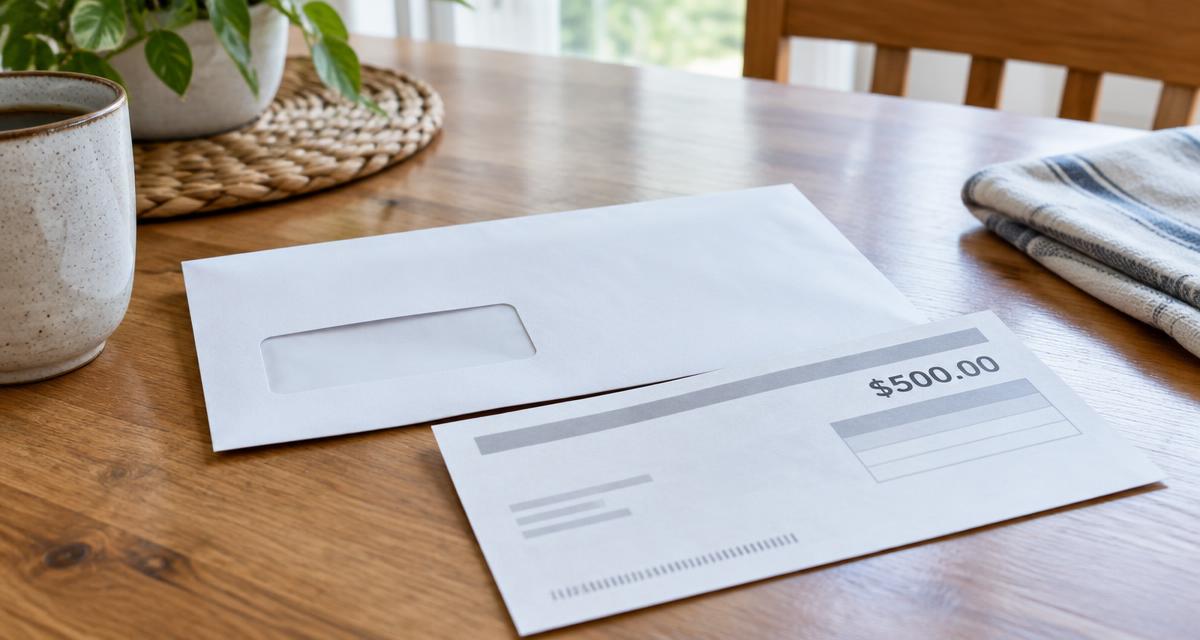
The Trump administration began sending $500 Affordable Care Act refund checks on September 30 to more than 950,000 people, according to reports from CNBC, USA Today and The Hill. The payments are aimed at a relatively small group of customers who bought coverage through the federally operated HealthCare.gov marketplace and paid their full premiums without federal premium tax credits. The program does not cover every ACA enrollee, and it is separate from other payment proposals discussed during the 2026 campaign.
Eligibility is limited to people in the 30 states that rely on HealthCare.gov. States and the District of Columbia that operate their own insurance marketplaces are not included. Reporting indicates that qualifying customers generally earned above 400% of the federal poverty level, roughly $63,000 for one person, and therefore did not receive premium subsidies. A household may receive more than one $500 payment when multiple covered family members meet the government's criteria.
Officials say recipients do not need to submit an application. Payments are being issued by check or direct deposit using information already held by the government. A letter dated September 30 and signed by President Donald Trump is also being sent. Anyone who is unsure about a payment should check an existing HealthCare.gov account or use contact information published on HealthCare.gov, rather than links in an unexpected text or email.
The administration says the roughly $500 million program returns excess user fees collected to operate the federal marketplace. Critics dispute that framing and argue that a one-time payment does not address higher premiums faced by many consumers after enhanced subsidies expired. The checks also arrive weeks before the November midterm elections, placing the policy inside a broader political debate about health-care costs and government spending.
The announcement creates an opening for scams. No fee is required to release a legitimate refund, and officials say there is no separate application. Consumers should not provide a Social Security number, bank password or payment to a caller claiming to speed up a check. The key facts are narrow: the payment is $500 per qualifying person, eligibility is automatic, and most ACA marketplace customers will not receive one.
Another point of confusion is timing. Mailing began September 30, but delivery dates will vary by location and payment method. A person who appears to meet the broad description should not assume a missing check is proof of an error; the government has not described this as a benefit open to claims from the public. Keep copies of official correspondence and review marketplace records before contacting support. The refund also should not be confused with an insurance-company rebate issued under the ACA’s medical loss ratio rules, which is a separate process.
Sources and further reading
This explainer was independently written from the linked reporting. Details may develop after publication.